
More Than Dragons: How to Explore Labuan Bajo & Komodo National Park
Labuan Bajo and Komodo National Park are among Indonesia’s most iconic nature and adventure destinations. These islands sit between the provinces of West and East Nusa Tenggara.
Travelers visit this UNESCO site to experience landscapes that feel unlike anywhere else. You can explore Labuan Bajo and Komodo Park comfortably using a luxury sailing vessel.
The region offers a rare mix of dry hills and vibrant coral reefs. Every corner of this park reflects a long story of volcanic activity and natural evolution.
The Giants of the Savannah: Meeting the Dragons
The Komodo dragon is the world’s largest living lizard species. These predators are endemic to a small group of islands in this region. UNESCO records show that around 5,000 dragons live within the Biosphere Reserve and park area. The park was formally inscribed as a World Heritage site in 1991.
Individual dragons can reach lengths of over three meters. They often weigh more than 90 kilograms when fully grown. Visitors should always walk with a trained park ranger for safety. The dragons use a strong sense of smell to locate prey. Watching them move in their natural habitat is a memorable experience. They symbolize the prehistoric character that still defines this part of Indonesia.
Geographical Wonders: A Park of Immense Scale
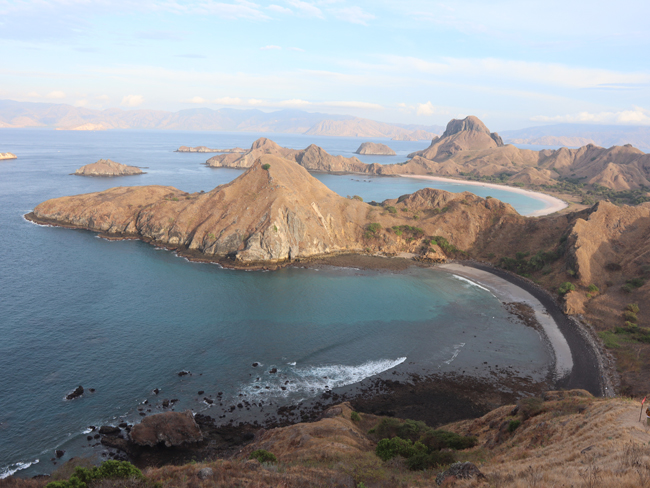
The park covers approximately 1,118,003 hectares. This includes three main islands: Komodo, Rinca, and Padar. Numerous smaller islets dot the turquoise waters of the Flores Sea.
The landscape consists of rugged hills and dry savannahs. This contrasts beautifully with the deep blue of the surrounding ocean. Most of the park’s area consists of marine waters.
Padar Island is famous for its iconic multi-bay viewpoint. A trek to the top offers panoramic views of the surrounding islands. The terrain is steep, but the scenery makes the climb worthwhile. It remains one of the most popular viewpoints in the region.
The Magic of the Pink Beaches
Komodo National Park is home to several rare pink sand beaches. The color comes from tiny marine organisms called Foraminifera. These organisms contribute red pigments to coral fragments. Broken coral pieces mix with white sand to create the pink hue. This phenomenon is rare and depends on local conditions.
The water near these beaches is usually calm and clear. It is an ideal location for swimming and photography. Walking on the pink sand feels unforgettable. The beach creates a striking contrast against the blue sky. Remember to leave the sand and coral exactly where you found them.
Unrivaled Marine Biodiversity
The park is located within the world-renowned Coral Triangle. It serves as a sanctuary for an exceptional variety of marine life. There are more than 1,000 species of bony fish in these waters. Scientists have also identified 260 species of reef-building corals here.
Divers often encounter large pelagic species, such as manta rays and sharks. Manta Point is a top destination for seeing manta rays. The nutrient-rich currents support a thriving underwater ecosystem. Dolphins and whales are sometimes spotted passing through the park. Snorkeling offers a window into this colorful marine world. Each dive site presents a unique landscape of sponges and corals.
Choosing the Best Liveaboard Labuan Bajo 2026
Sailing is one of the most immersive ways to experience this island chain. Finding the best liveaboard Labuan Bajo 2026 requires planning. Modern vessels can offer the comfort of a hotel on the water. Kanha Liveaboard offers premium amenities and an experienced local crew. Their cabins are designed for relaxation after a day of hiking. Enjoying a meal on deck while watching the sunset is a highlight of the trip.
A liveaboard allows you to reach remote islands early in the morning. You can avoid the larger crowds that often arrive on day boats. Safety and comfort should remain top priorities when choosing a vessel. Booking with a reputable operator helps ensure a smooth, memorable voyage.
Planning Your Itinerary: Must-Visit Spots
- Rinca Island: A good place to see dragons in an open savannah.
- Batu Bolong: A renowned dive site with abundant marine life.
- Kalong Island: A place to watch flying foxes at sunset.
- Taka Makassar: A small sandbar surrounded by shallow turquoise water.
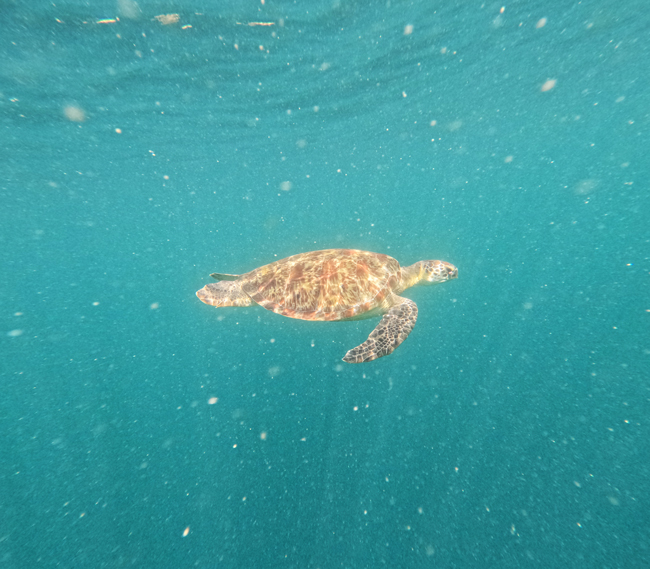
- Siaba Besar: Often called Turtle City for its frequent turtle sightings.
- Gili Lawa: Offers wide views of the northern park area.
- Manta Point: A popular site for seeing manta rays.
Weather and the Best Time to Visit
The dry season usually runs from April to December. During these months, the weather is often sunny, and the seas are calmer. The hills turn from lush green to golden brown. July and August are the busiest months for international tourists. Manta rays can be seen throughout much of the year.
The rainy season usually runs from January to March. Some boat operators may pause trips during periods of high wind. Visibility for diving is often better during the dry season. Always check the local weather forecast before you travel. Every season offers a different perspective on the park’s beauty.
Sustainable Tourism and Conservation
Protecting this fragile ecosystem is a shared responsibility. The park fee helps support conservation and community development programs. Travelers should use reef-safe sunscreen to help protect the corals. Plastic waste remains a major threat to local marine life.
Good operators provide reusable bottles and filtered water on board. Never touch the dragons or any underwater creatures you encounter. Follow the Leave No Trace principle during your island treks. Supporting local guides helps strengthen nearby village economies. Education is key to preserving this site for future generations. A mindful traveler enjoys the park without leaving a footprint.
Experience the Social Vibe of an Open Trip
Not everyone needs to charter an entire boat. You can join an Open Trip to share the experience. This is a great way to meet fellow travelers from around the world. Shared trips are more affordable but still visit iconic spots. You will share stories and meals with a diverse group.
The itinerary is usually planned to cover the main highlights. Many travelers enjoy the social atmosphere of a Phinisi boat. It is a practical choice for solo travelers or couples. You can enjoy professional service at a lower cost than a private charter. Checking the schedule helps you find a date that suits your plans.
How to Book Your Journey
The demand for quality boat trips continues to grow. It is wise to secure your cabin several months in advance. Navigate to the reservation page to start the process.
Enter your details and choose the cabin that fits your needs. The booking team will guide you through the payment options. Make sure to mention any dietary requirements you have.
Once confirmed, you can start packing for your tropical adventure. Flight tickets to Labuan Bajo should also be booked early. Prepare for a journey that offers a new perspective on nature. The dragons and reefs are ready to welcome visitors.
Final Thoughts on Labuan Bajo
Labuan Bajo has transformed from a small village into a vibrant town. It serves as the gateway to Komodo National Park. The hospitality of the local people is warm and welcoming. You will find excellent seafood and local crafts in town.
The real attraction, however, lies out at sea among the islands. Every sunrise brings a new opportunity for discovery. Few places in the world combine dragons, reefs, and island scenery this well. It is a bucket-list destination that leaves a strong impression. Invest in an experience that values quality and local knowledge. Your adventure in the land of dragons begins soon.
Frequently Asked Questions (FAQ)
1. How many Komodo dragons live in the park?
There are approximately 5,000 dragons across the Biosphere Reserve and park area.
2. Is it safe to trek on the islands?
Yes, trekking is generally safe when you follow the ranger’s instructions.
3. What is the total area of the park?
The park spans about 1,118,003 hectares of land and sea.
4. Can I see manta rays while snorkeling?
Yes, manta rays are often visible from the surface at Manta Point.
5. When was the park named a World Heritage site?
The park was inscribed on the UNESCO World Heritage List in 1991.
6. Do I need a visa for Labuan Bajo?
Visa requirements depend on your nationality and Indonesian immigration rules.
