
17
May
Get to Know About Labuan Bajo Weather by Month Guide
Labuan Bajo’s weather dictates the pace of every family adventure in Indonesia. The tropical climate shifts between distinct dry and wet seasons annually.
Planning your trip requires understanding these atmospheric changes for safety. Clear skies often mean better visibility for snorkeling and diving activities. Heavy rainfall can occasionally impact boat schedules and trekking trail accessibility.
This guide helps you choose the most comfortable window for travel.
Understanding the Climate of Komodo National Park
Labuan Bajo serves as the gateway to the legendary Komodo National Park. This region features a tropical savanna climate, which is unique in Indonesia. It remains much drier than the lush jungles of Bali or Sumatra. The landscape transforms from vibrant green to golden brown throughout the year.
For parents, choosing the right time to explore Labuan Bajo with family is essential. You want stable seas and pleasant temperatures for the little ones. Weather patterns here are influenced by the Australian monsoon system. This creates predictable cycles that help travelers plan their perfect escape.
Critical Weather Statistics for Labuan Bajo
- Average Daytime Temperature: 28°C to 34°C (82°F to 93°F).
- Peak Humidity: Approximately 85% during the months of January and February.
- Highest Rainfall: January typically sees over 300 mm of precipitation.
- Lowest Rainfall: July and August usually receive under 30 mm.
- Sea Temperature: Consistently warm, ranging from 27°C to 30°C.
- Annual Sunshine: Over 2,500 hours of sun per year on average.
The Dry Season: April to November
The dry season is widely considered the prime time for visiting Flores. During these months, the southeast monsoon brings dry air from the Australian continent. You can expect endless blue skies and very little rain. This is the best time to take the Labuan Bajo trip with Family 2026 if you love hiking.
The famous trails on Padar Island are dry and firm underfoot. You won’t have to worry about slippery slopes while carrying children. The air is slightly cooler in the evenings, making it perfect for deck-side dinners.
April to June: The Lush Transition
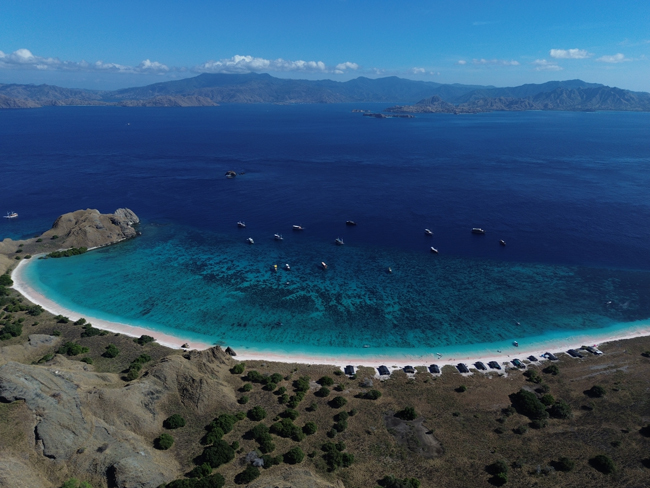
April marks the end of the monsoon rains. The islands are still covered in thick, green vegetation. The dust is low, and the air feels incredibly fresh. This period offers a beautiful contrast between the green hills and turquoise water. Many photographers prefer these months for the vibrant colors. The sea is usually very calm during this transition window. It is an excellent time for families with toddlers to enjoy gentle boat rides.
July and August: The Peak of Summer
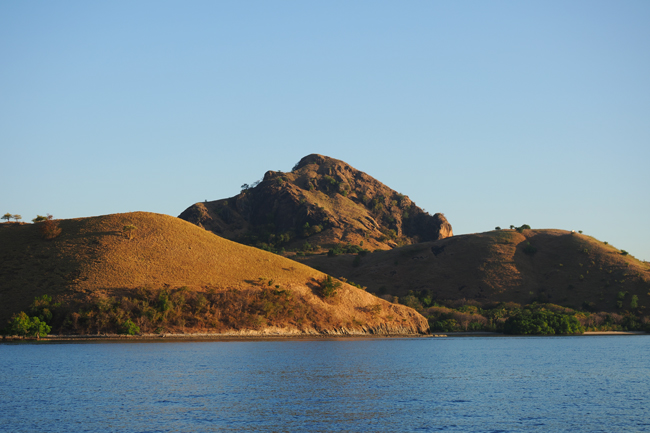
July and August are the driest months of the year. Rainfall is rare, often staying below 30 mm for the entire month. These are also the windiest months in the Komodo region. The steady breeze provides a cooling effect against the intense tropical sun. However, the wind can create some surface chop on the water. This is the time when the landscape turns into a golden savanna. It feels like stepping into a prehistoric world where dragons still rule.
September to November: The Warming Trend
As the year progresses, the temperature starts to climb slightly. September remains very dry, but the winds begin to calm down. By October, you might notice the first few tropical showers. These are usually short and occur late in the afternoon. The underwater visibility remains excellent during this time. It is a fantastic window for families who want to avoid the mid-year crowds. You can enjoy the pink beaches with more privacy and tranquility.
The Wet Season: December to March
The wet season brings the northwest monsoon to the East Nusa Tenggara province. Rain typically arrives in heavy, tropical bursts rather than constant drizzle. You will still see plenty of sunshine between the rain clouds. The islands turn emerald green almost overnight as the plants drink the rain. While the sea can be rougher, professional boat operators know the protected routes. Visiting now offers a different kind of beauty, with dramatic clouds and fewer tourists.
January and February: The Heart of the Monsoon
These are the wettest months, with rainfall peaking above 300 mm. Some days might experience high winds that affect boat departures. It is crucial to choose a sturdy and professional liveaboard during this time. The temperature remains warm, so the rain often feels refreshing. Travelers can enjoy significant discounts on accommodation and tours. If you don’t mind a little adventure, the scenery is breathtakingly lush.
The Best Time for Wildlife Encounters
Weather plays a massive role in animal behavior within the park. If your family wants to see specific creatures, timing is everything. Kanha Liveabroad offers expert guides who track these seasonal animal patterns. They ensure you are in the right place at the right time.
Seeing the Komodo Dragons
Komodo dragons are visible year-round, but their activity levels change. During the hot, dry season (August), it is often the mating season. You might witness males competing for dominance in the wild. Rangers often report increased activity during these months. In late March or early April, lucky visitors might see hatchlings. These tiny dragons are often found in trees to avoid predators. Always follow the ranger’s instructions during these sensitive biological periods.
Swimming with Manta Rays
Manta Rays are the stars of the underwater world here. The highest and most reliable chances to see Manta Rays are from April to October. During this window, the water is clear, and the currents are manageable. However, sightings can still occur in December and January. This happens when plankton blooms attract them to the surface. Families should be prepared for slightly cooler water in the southern areas. A thin wetsuit is usually enough to keep everyone comfortable.
Month-by-Month Weather Summary Table
| January | Very Wet | 350mm | Deep Green |
| March | Transition | 200mm | Lush/Flowering |
| May | Dry/Sunny | 50mm | Bright Green |
| August | Windy/Dry | 25mm | Golden Brown |
| October | Warm/Dry | 60mm | Arid/Brown |
| December | Wet/Humid | 250mm | Turning Green |
Travel Planning for 2026
The tourism sector in Labuan Bajo is evolving rapidly. There is a projected trend that 2026 will see a significant rise in visitors. Infrastructure, like the international airport and local hospitals, is improving. Finding the best time to take the Labuan Bajo trip with Family 2026 is now about balance. You want to avoid the busiest weeks in July while still getting great weather. Booking your boat early is the best way to secure your preferred dates. High-quality vessels often sell out six to twelve months in advance.
Value Added: Packing for the Seasons
Your packing list should change depending on when you visit. During the dry season, prioritize sun protection and light clothing. A high-SPF sunscreen is a must for children on the boat deck. In the wet season, bring a lightweight, breathable raincoat. Waterproof bags are essential for keeping electronics dry during shore excursions. Sturdy walking shoes are better than flip-flops for the volcanic trails. Even in the rain, the terrain can be uneven and rocky.
Experience Excellence with Kanha Liveaboard
Choosing the right vessel makes your family trip stress-free regardless of the weather. Kanha Liveabroad offers a blend of luxury, safety, and local knowledge. Their crew monitors weather stations to ensure smooth sailing for your kids. You can check their available dates on the open trip service page. For those seeking a private family experience, the reservation page allows for easy booking. They provide all the snorkeling gear and safety equipment needed for all ages.
Family Safety Tips for Tropical Weather
- Keep everyone hydrated with plenty of mineral water.
- Use a “dry bag” for snacks and extra clothes.
- Schedule hikes for early morning to avoid midday heat.
- Always listen to the boat captain regarding sea conditions.
- Apply bug spray during the transition months (April/November).
Why Labuan Bajo is the Ultimate Family Choice
Few places on earth offer such a mix of adventure and education. Your children can learn about geology, marine biology, and rare reptiles. The weather, while tropical, is generally more forgiving than other equatorial regions. Even a rainy day in Komodo is an opportunity for learning. You can watch the clouds roll over the jagged peaks of Padar. You can see how the dragons adapt to the changing seasons. It is a journey that your family will remember for a lifetime.
Frequently Asked Questions (FAQ)
1. Is the sea too rough for children in January?
The sea can be choppy during the peak of the monsoon. However, professional boats like Kanha use protected corridors between islands. Safety is always the first priority for family charters.
2. What is the hottest month in Labuan Bajo?
October and November are typically the hottest months. Temperatures can reach 34°C as the humidity begins to rise. The sea breeze on a liveaboard helps significantly with the heat.
3. Can we still see Komodo dragons if it rains?
Yes, dragons are active even during the wet season. They may seek shade or shelter during a heavy downpour. You can usually find them near the ranger stations or under trees.
4. Does it rain all day during the wet season?
It rarely rains all day in Labuan Bajo. You typically experience a few hours of heavy rain followed by sunshine. This allows for plenty of activity time throughout the day.
5. Is the water temperature okay for small kids?
The water is usually between 27°C and 30°C. This is very warm and comfortable for children. They can spend hours snorkeling without feeling cold or uncomfortable.
