
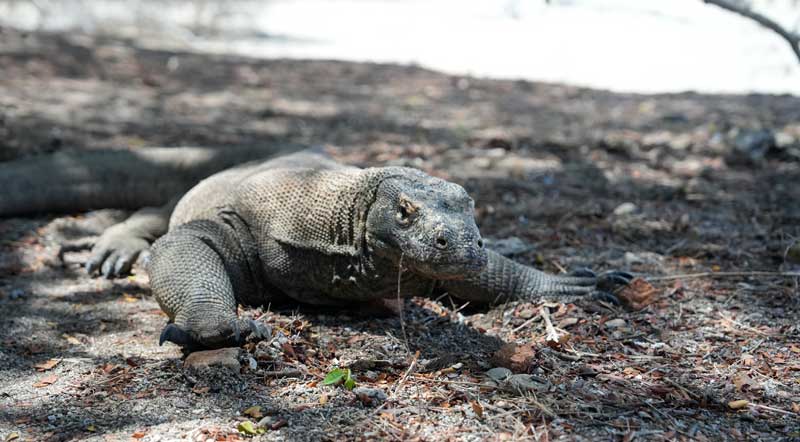
What Are 5 Interesting Facts About Komodo Dragons?
Komodo dragons are the world’s heaviest lizards, dominating their ecosystem with raw power and ancient instincts. These reptiles are found exclusively within the stunning volcanic islands of Komodo National Park in Indonesia. Booking professional Komodo Tours is the only safe way to witness these dangerous predators up close. Their size and predatory skills make them a top bucket-list destination for wildlife enthusiasts globally.
Despite their fame, many myths surround their venom, speed, and unique hunting behaviors in the wild. Here are five fascinating facts to learn before you embark on your own Indonesian island adventure.
1. They Possess Potent Venom, Not Just Bacteria
For decades, scientists believed Komodo dragons killed prey by using their dirty mouths, which were filled with deadly bacteria. Early researchers thought the bacteria caused sepsis, leading to a slow and painful death for victims.
However, recent studies have completely overturned this long-standing scientific myth regarding their hunting mechanism. In 2009, researcher Bryan Fry discovered complex venom glands located in the Dragon’s lower jaw. These glands secrete a toxic cocktail of proteins that disrupts blood clotting in their prey.
The venom causes a sudden drop in blood pressure, leading to rapid shock and loss of consciousness. This method is far more efficient than waiting days for a bacterial infection to set in.
It allows the Dragon to subdue large animals, such as water buffalo, much faster than previously thought. Their mouths are surprisingly clean, with bacteria levels similar to those of other carnivorous mammals. Modern herpetologists and venom experts have officially debunked the “dirty mouth” theory.
Key Statistics:
- Venom Glands: Located in the lower jaw, possessing multiple ducts.
- Effect: Induces anticoagulation, hypotension (low blood pressure), and muscle paralysis.
- Myth Status: The “bacterial bite” theory is now considered scientifically inaccurate.
2. Females Can Reproduce Without Males
One of the most mind-blowing facts is their ability to perform parthenogenesis, or “virgin birth.” Female Komodo dragons do not strictly need a male partner to lay fertile eggs. This phenomenon was documented in zoos, such as at the Chester Zoo in England, where Flora was observed. Flora laid a clutch of viable eggs despite having no contact with a male dragon. This evolutionary adaptation allows the species to survive if a female gets stranded alone.
If a female drifts to a new island, she can establish a new colony single-handedly. Interestingly, the offspring produced through this asexual process are always genetically male.
Komodo dragons have a ZW chromosomal sex-determination system, unlike the XY system in humans. Parthenogenesis results in ZZ chromosomes, which always produce male hatchlings in this species.
Once the sons mature, they can mate with the mother to produce both male and female offspring. This ensures the population can grow and diversify even from a single founding female.
Key Statistics:
- Process Name: Parthenogenesis (asexual reproduction).
- Offspring Sex: 100% Male (ZZ chromosomes).
- First Recorded: Documented scientifically in captive dragons in 2006.
3. They Are Surprisingly Fast Sprinters
Do not let their lumbering, heavy gait fool you into thinking they are slow creatures. Komodo dragons are ambush predators capable of explosive bursts of speed when hunting. They can accelerate rapidly to catch deer, pigs, and even unsuspecting humans off guard. While they cannot maintain this speed for long distances, their sprint is terrifyingly effective. Their muscular legs allow them to propel their massive bodies forward with incredible force.
In addition to running, they are also excellent swimmers and can dive underwater. They are known to swim between the islands of Komodo National Park to find food. Young dragons are also agile climbers, spending their early years in trees to avoid adults. This versatility makes them dangerous on land, in water, and even in trees. Visitors on Komodo Tours are always advised to keep a safe distance for this reason.
Key Statistics:
- Top Speed: Up to 20 km/h (approx. 12-13 mph).
- Swimming Speed: Around 5 km/h (3 mph) over long distances.
- Climbing: Only juveniles climb; adults are too heavy for most trees.

4. Their Appetite Is Enormous
Komodo dragons are apex predators with a metabolism that enables them to consume massive amounts. They can eat a staggering amount of meat in a single sitting. Their jaws have an intramandibular hinge that opens widely, like a snake’s. This flexibility allows them to swallow huge chunks of meat or whole prey rapidly.
After a large meal, they may not need to eat again for over a month. They will drag their heavy bellies to a sunny spot to speed up digestion. The heat helps their stomach acids break down bones, hooves, and hides efficiently. They are also opportunistic scavengers and will smell carrion from miles away. Their yellow, forked tongue samples the air to detect rotting flesh at great distances. This keen sense of smell drives them to congregate in groups around large carcasses.
Key Statistics:
- Max Consumption: Up to 80% of their body weight in one meal.
- Digestion Time: Can take several days, depending on the sun and temperature.
- Sensing Range: Can detect carrion from up to 4–9.5 km (2.5–6 miles) away.
5. They Are Endangered and Highly Protected
These prehistoric giants face an uncertain future due to environmental changes and human activity. The International Union for Conservation of Nature (IUCN) lists them as Endangered. Their natural habitat is minimal, restricted to just a few Indonesian islands. Rising sea levels threaten to submerge the lower-lying areas of their island homes. A loss of prey species, such as deer, also affects their ability to survive.
Indonesia established Komodo National Park in 1980 specifically to protect these unique lizards. Strict regulations are in place to limit the impact of tourism and prevent poaching. Rangers patrol the islands constantly to monitor the population’s health and safety. Visiting them requires a registered guide to ensure the safety of both humans and animals. Your visit helps fund these crucial conservation efforts through park entrance fees.
Key Statistics:
- IUCN Status: Endangered (Moved from Vulnerable in 2021).
- Wild Population: Estimated at around 3,000 to 3,500 individuals.
- Primary Islands: Komodo, Rinca, Gili Motang, Nusa Kode, and parts of Flores.
Experience the Best Trip to Komodo with Kanha Liveaboard
Seeing these dragons in real life is an adventure that requires expert planning. To truly appreciate the park, you need more than just a quick day trip.
The best Komodo experience involves sailing through the archipelago on a Phinisi boat. This is where Kanha Liveaboard offers a superior travel experience for adventurers. Sailing allows you to visit remote islands like Padar and Pink Beach at sunrise. You avoid the midday crowds and see the wildlife when it is most active.
Why Choose a Private Charter?
For exclusive privacy, booking a Komodo Trip is the ultimate choice. A private charter gives you control over your itinerary and schedule. You can stay longer at Manta Point or trek Rinca Island at your own pace. Kanha Liveaboard provides luxury AC cabins with ensuite bathrooms for maximum comfort. The professional crew handles all meals, navigation, and safety briefings. It is perfect for families, honeymooners, or groups of friends seeking privacy.
Join an Open Trip for Social Adventure
If you are a solo traveler, an open trip is a fantastic option. You can share the journey with like-minded travelers from around the world. It is an affordable way to enjoy luxury sailing without chartering the whole boat. You still get the full Kanha service, including delicious local cuisine and guided treks.
Easy Booking Process
Securing your spot on a Kanha Liveaboard boat is fast and straightforward. Planning is crucial as permits and boats fill up quickly in high season. Visit the reservation page here: https://kanhaliveaboard.com/book-now/. Their team assists with airport transfers and information on park entrance tickets. Do not miss the chance to sail the waters of the Dragon.
FAQ: Visiting Komodo National Park
Is it safe to visit Komodo dragons?
Yes, it is safe as long as you follow the park ranger’s instructions. You must always stay with your group and guide. Never wander off alone, as dragons are ambush predators.
When is the best time to visit?
The dry season from April to December is generally considered the best time. The weather is sunny, and the seas are calm for sailing. July and August are peak mating seasons so dragon sightings may vary.
Can Komodo dragons swim?
Yes, they are strong swimmers and can move between islands. However, they prefer land and are usually found sunbathing. You are unlikely to encounter them while snorkeling at Pink Beach.
What should I bring on the tour?
Bring trekking shoes, sunscreen, a hat, and plenty of water. A camera is essential, but drone usage is strictly regulated. Cash helps tip rangers and buy souvenirs.
How long does the boat trip take?
Most liveaboard trips last 3 days and 2 nights. This duration allows you to see the dragons, hike Padar, and snorkel. Kanha Liveaboard ensures you can comfortably hit all the major highlights.
