
12
Apr
Can You See Manta Rays in Labuan Bajo? Here’s the Answer 2026
Labuan Bajo remains a premier global destination. Many divers specifically seek Labuan Bajo Manta Rays. Will these giants appear in 2026? The answer is a resounding yes.
Nature thrives within the protected national park. Experience this via the best Labuan Bajo diving Tour today.
The Majestic Presence of Manta Rays in 2026
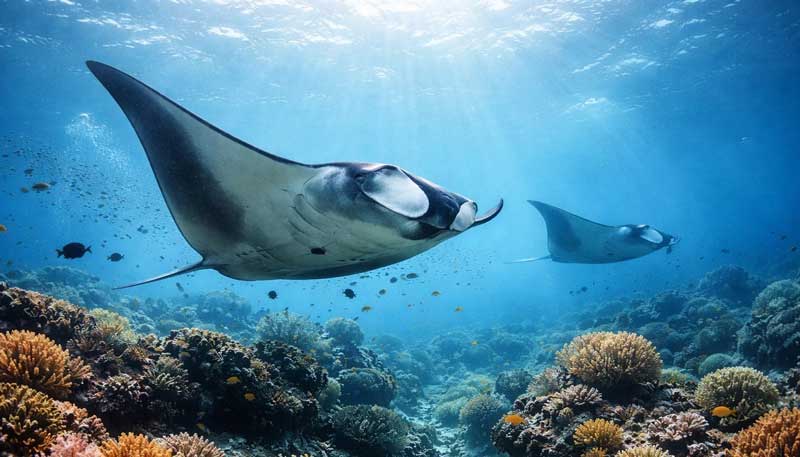
Labuan Bajo is the gateway to Komodo National Park. This UNESCO World Heritage site is famous for its biodiversity. Among its many treasures, the manta ray stands out. These creatures are known for their massive size and grace. They glide through the water like giant birds. In 2026, the population remains stable and healthy. Conservation efforts have successfully protected their natural habitat for years.
Witnessing a manta ray is a spiritual experience for many. Their curiosity often brings them close to humans. They do not fear divers who respect their space. This interaction creates a deep connection with the ocean. The waters of Komodo provide the perfect stage for this. You can expect high-quality sightings throughout the coming year.
Critical Statistics: The Manta Population in Indonesia
Data from marine scientists shows a positive trend. Indonesia declared its waters a manta sanctuary in 2014. This was a monumental step for marine conservation worldwide. It is now the largest sanctuary of its kind. Here are some key figures regarding these animals:
- Individual Identifications: Scientists have identified over 1,085 unique manta rays.
- Economic Impact: Manta tourism contributes approximately $15 million to Indonesia annually.
- Growth Rate: Population counts in Komodo have shown steady increases since 2013.
- Size: Reef mantas here reach a wingspan of up to 5 meters.
- Lifespan: These intelligent giants can live for over 40 years.
Top Dive Sites for Manta Rays in Labuan Bajo
1. Manta Point (Karang Makassar)
This site is legendary among the diving community. It is a long, relatively shallow reef. The depth typically ranges from 2 to 15 meters. It is famous for its “cleaning stations.” Small fish live here to eat parasites off the mantas. The mantas hover patiently while the fish work. It is a fascinating display of symbiotic relationships.
The current at Manta Point can be quite strong. This current is vital because it carries plankton. Mantas are filter feeders and love these nutrient-rich flows. Divers usually perform a drift dive here. You simply float and watch the mantas pass by. Kanha Liveaboard offers expert dive masters to guide you safely. They know exactly where the mantas prefer to congregate.
2. Manta Alley
Located in the southern region of Komodo, Manta Alley is different. The water temperature here is often cooler than in the north. This thermal difference attracts large groups of mantas. It is common to see clusters of twenty individuals. They often perform “mating trains” in this area. One female leads while several males follow her closely.
The underwater topography features rocky channels and mounds. This creates interesting surge patterns that mantas enjoy. It is a more advanced site due to the conditions. However, the reward is often a high-density encounter. Choosing the best liveaboard Labuan Bajo 2026 ensures you reach these remote southern spots.
Best Season and Timing for Your 2026 Trip
You can see mantas in Labuan Bajo all year. However, visibility and weather patterns change with the seasons. The dry season runs from April to October. This period offers the clearest water and calmest seas. It is the peak time for traditional tourism. Sunlight penetrates deep into the ocean during these months.
The rainy season occurs from December to March. While the surface might be choppy, the mantas love it. Plankton blooms are most frequent during the wet months. This abundance of food brings mantas to the surface. You might see them “breaching” or jumping out of the water. This behavior is still a mystery to many scientists. It might be for communication or removing parasites.
Understanding Manta Behavior: Why Do They Stay?
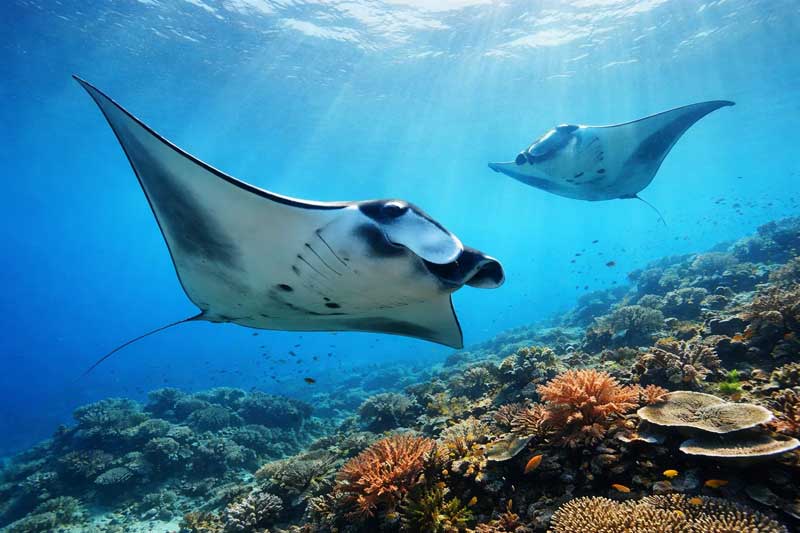
Mantas are not random travelers in Komodo. They stay because the park provides everything they need. The cleaning stations act like underwater health clinics. The currents act like a conveyor belt of food. The protected bays provide shelter for the younger rays. This makes Labuan Bajo a permanent home for many.
They are also highly social animals. They interact with each other in complex ways. Divers often see them playing in the bubbles from regulators. This playful nature makes them a favorite for photographers. Always remember to stay calm when they approach. Avoid making sudden movements or loud noises underwater.
Choosing the Best Liveaboard Labuan Bajo 2026
A liveaboard is the most effective way to see mantas. Staying on land requires long daily boat rides. A liveaboard allows you to stay at the dive sites. You can be the first person in the water. This is crucial for avoiding large crowds of snorkelers. Kanha Liveaboard offers a premium experience on its Phinisi vessels.
Their ships are designed for comfort and adventure. You get to enjoy gourmet meals between your dives. The cabins provide a restful space after a long day. Most importantly, the crew understands the local marine environment. They monitor tide charts and moon phases for you. This scientific approach increases your chances of encountering a manta.
If you are traveling alone, consider an open trip. It is a great way to meet fellow ocean lovers. For those seeking exclusivity, a private charter is the best option. You can customize your itinerary to focus entirely on mantas. Start your journey by visiting our book now page.
Value-Add: How to Photograph Manta Rays
Capturing the perfect manta photo requires patience. Do not chase the animal through the water. Let the manta come to you instead. They are curious and will often circle back. Use a wide-angle lens for the best results. Their wingspan is too large for standard lenses.
Try to stay below the manta for a silhouette shot. The sunlight from above creates a beautiful halo effect. If you have a strobe, use it sparingly. Natural light often looks better in the shallow waters of Manta Point. Always check your buoyancy before focusing on your camera. Protecting the reef is more important than any photo.
Sustainable Practices for Manta Tourism
We must protect what we love to see. Responsible tourism is the only way forward. Always choose operators who follow international manta codes. These codes include no-touch policies and distance limits. Kanha Liveaboard offers briefings on these essential rules.
By visiting the park, you help maintain it. The entrance fees fund ranger patrols against poaching. These patrols ensure the sanctuary remains safe for mantas. Your presence supports Labuan Bajo’s local economy. This encourages the community to value live mantas over fishing. It is a conservation cycle that works perfectly.
What to Expect on Your Best Labuan Bajo Diving Tour
Your journey begins in the charming town of Labuan Bajo. From there, you board your floating home. The air is salty and full of excitement. Every morning starts with a detailed dive briefing. You will learn about the site’s topography and currents. The crew prepares your gear with great care.
Then, you take the plunge into the turquoise water. The silence of the ocean surrounds you immediately. Within minutes, a giant shadow may glide overhead. This is the moment you have been waiting for. The best liveaboard Labuan Bajo 2026 makes this dream a reality. It is a seamless blend of luxury and raw nature.
Frequently Asked Questions (FAQ)
1. Is it safe to swim with Manta Rays?
Yes, it is extremely safe. Mantas are filter feeders and have no teeth. They also lack the stinging barbs found on stingrays. They are gentle and non-aggressive toward humans. Just maintain a respectful distance at all times.
2. Do I need a diving certification to see them?
No, you do not need a certification for snorkeling. Manta Point is shallow and perfect for snorkelers. However, diving allows for a longer and closer look. Kanha Liveaboard offers options for both divers and non-divers.
3. What should I do if a Manta approaches me?
Remain as still as possible in the water. Do not reach out to touch the animal. Touching them can remove their protective skin coating. This coating prevents them from getting sick or infected. Simply enjoy the view and stay calm.
4. How many days should I book for a Manta trip?
A minimum of 3 to 4 days is recommended. This gives you multiple chances at different dive sites. Weather can be unpredictable, so the more days you have, the more likely you are to succeed. Most liveaboard trips last between 3 and 7 days.
5. Can I see Manta Rays and Komodo Dragons in one trip?
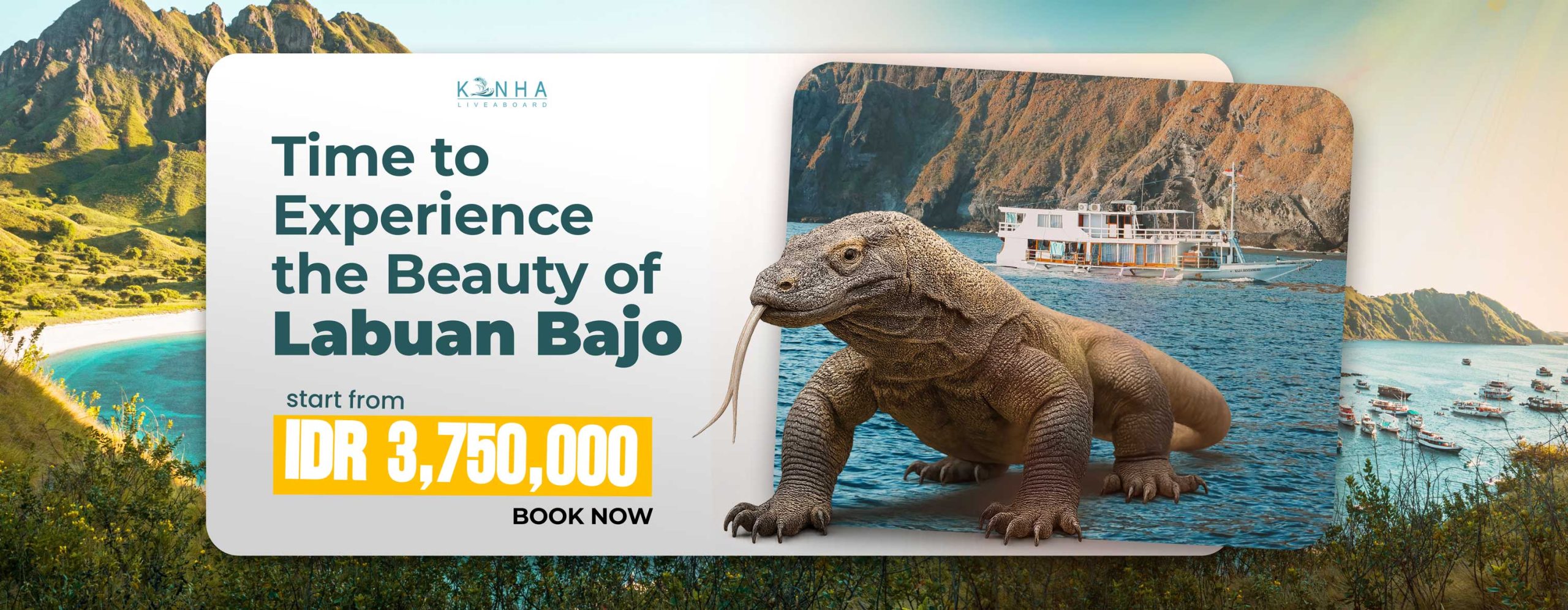
Yes, almost all tours combine these two highlights. You can visit the dragons in the morning. Then, you can dive with mantas in the afternoon. It is the ultimate adventure package for any nature lover.
6. How do I secure a spot for the 2026 season?
We recommend booking at least six months in advance. The 2026 season is expected to be very busy. You can check availability on our open trip section. Or, head straight to our reservation page to lock in your dates.
